
Key facts
- Two studies, one from Boston University and Banner Health and the other from Washington University School of Medicine in St. Louis, suggest doctors may soon detect CTE with a blood test.1
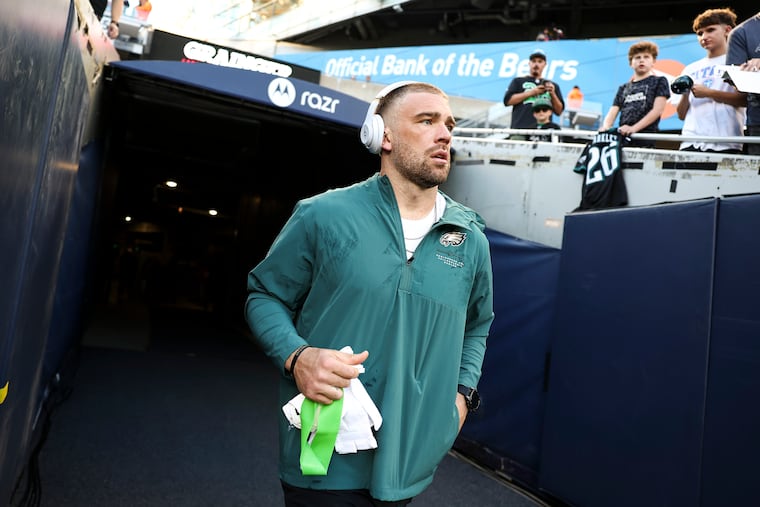
- Zach Ertz is a co-director of clinical research at Boston University’s CTE Center.1
- Ertz, 36, is eight catches away from becoming the Eagles' all-time leader in receptions.1
Two new studies suggest doctors may soon detect chronic traumatic encephalopathy, or CTE, with a blood test, and Zach Ertz, eight catches away from becoming the Eagles' all-time leader in receptions, is still weighing the risks.1
Ertz has had three concussions in his 14-year NFL career.1
Two studies point to a blood test
Combined, the studies, one from Boston University and Banner Health, the other from the Washington University School of Medicine in St. Louis, fostered hope that doctors might soon be capable of diagnosing CTE with a blood test.1
Michael Alosco, the co-director of clinical research at Boston University’s CTE Center, called the BU-Banner study “a game changer.”1
From seventh grade to eight catches away
Ertz began playing football in seventh grade, then stopped playing in eighth grade because “I hated it so much,” he said.1
He picked the sport back up again in high school, and here is now, at 36, eight catches away from becoming the Eagles’ all-time leader in receptions, still weighing the ways football has benefited him against CTE and the sport’s other dangers.1
Ertz said he prays every day it doesn’t affect him.1
He said he has relationships with some people who played back in the ‘70s and ‘80s and they live a very normal life besides the aches and pains.1
He said he has met some people who aren’t necessarily all there.1
He said it’s hard to put a blanket over everything and say, “This is the way it should go.”1
Doctors will eventually be able to detect the deadly brain disease through a blood test.1