
Key facts
- Damaging wind gusts of 40 to 55 mph could sweep across much of Maryland on Thanksgiving.1
- The combination could create dangerous driving conditions, particularly on bridges and exposed highways.1
- The National Weather Service warned Monday morning that gusts could reach 70 mph along the Chesapeake Bay and in higher.1
Damaging wind gusts of 40 to 55 mph could sweep across much of Maryland on Thanksgiving, threatening to knock down trees, cause power outages and disrupt holiday travel as a powerful coastal storm barrels toward the region.1
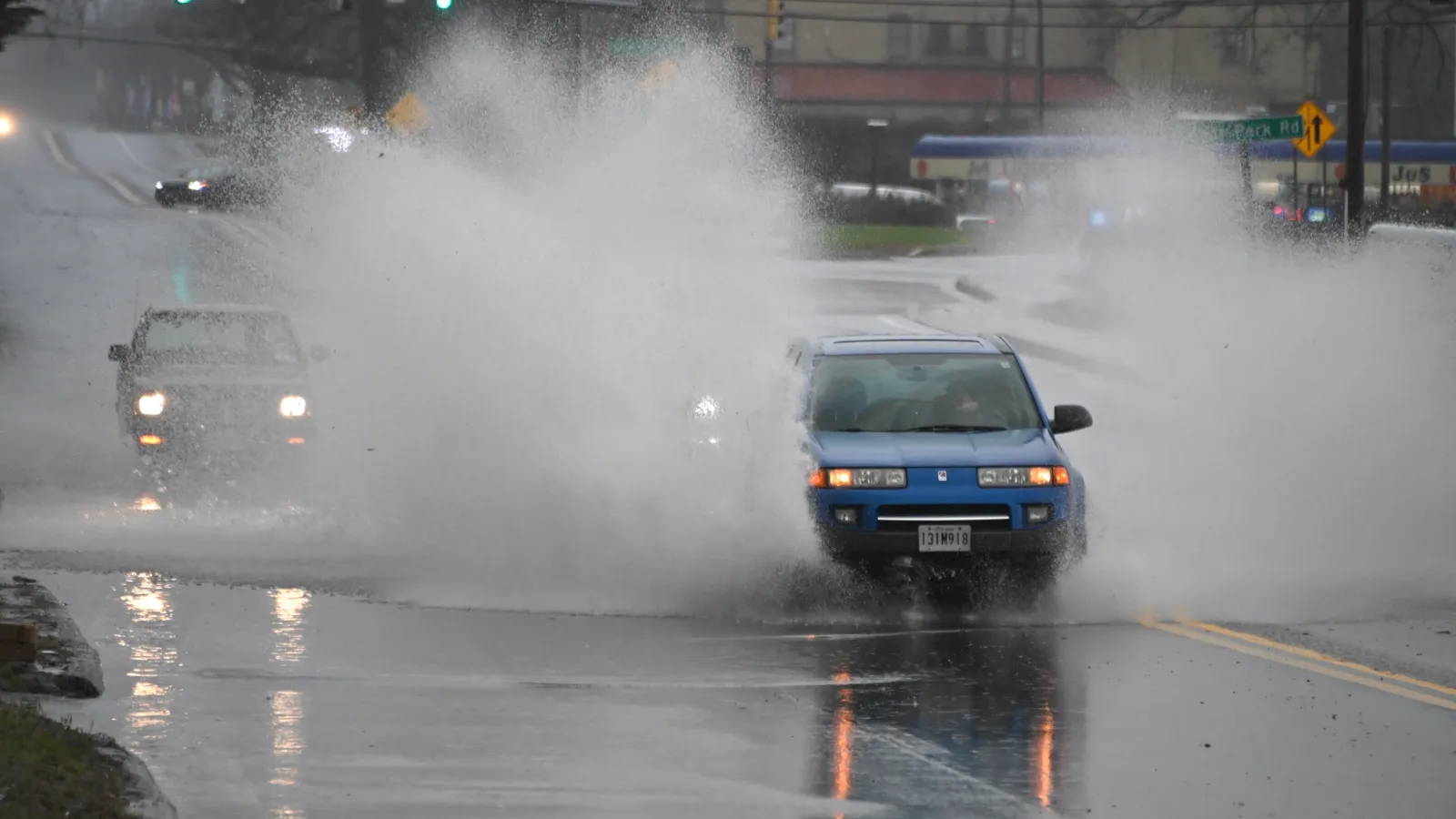
The National Weather Service warned Monday morning that gusts could reach 70 mph along the Chesapeake Bay and in higher elevations, while heavy rain and possible thunderstorms could make conditions even more hazardous for millions of people traveling or gathering with family Thursday.1
The storm is shaping up to be one of the most significant weather events of the holiday week, with forecasters increasingly confident that strong winds and widespread rainfall will affect Maryland.1
What to expect Thursday
The combination could create dangerous driving conditions, particularly on bridges and exposed highways, and lead to flight delays at BWI Marshall Airport.1
The National Weather Service’s Baltimore-Washington office said a line of thunderstorms capable of producing damaging winds is also possible, particularly in Southern Maryland.1
The worst conditions are expected Thursday, potentially disrupting Thanksgiving celebrations and travel plans before the storm begins moving away Friday.1
What to expect before the storm arrives
Before the storm arrives, Maryland residents can expect a relatively mild start to the holiday week.1
Baltimore temperatures are forecast to reach the upper 60s Monday before cooler air moves into the region Tuesday.1
Highs will fall into the lower 50s Tuesday and upper 40s Wednesday.1
Generally dry conditions are expected Tuesday and Wednesday, with clouds increasing Wednesday.1
Maryland’s coastal communities could face additional hazards as strong onshore winds push water toward the shoreline.1